

Are you ready to break up with your expensive office lease? Here’s how to go fully remote.
A growing number of businesses are cutting the cord on office space and going fully digital. Many more will follow suit in the coming years. The days of being tied down to a physical office are quickly coming to an end. In fact…
Transitioning from office space to a digital setup offers benefits far beyond simply working from home.
What you’ll learn:
- Why Businesses are Going Digital
- How Going Digital Saves You Money
- Necessary Tools to Going Fully Remote
- Receiving Business Mail Without an Office
- Transitioning Smoothly
Why Businesses are Going Digital
The remote work revolution is not slowing down anytime soon.
In fact, Gallup research shows that almost 80% of employees who can work remotely are now working in some capacity of hybrid or fully remote. That means workers are ditching offices left and right.
Employers are realizing this too. They know office space comes with serious overhead costs. Rent or mortgage, utilities, cleaning services, furniture, equipment depreciation…the list goes on.
What employers are realizing is…
Office space eats away at resources that could be invested back into the business. Savvy business owners are breaking up with the office completely and setting up digital-first operations.
As long as you have the right systems in place, going fully remote is totally doable. The biggest concern with going digital is how to handle physical business mail. Don’t worry though…
You can easily forward mail from a business address to your house using a mail forwarding service. Not only will you have a professional business address, but you won’t have to worry about paying for office space. Mail can be scanned and emailed to you, forwarded to your home address, or held at the P.O. box until you choose to pick it up.
Cool, right? Let’s talk about how going fully remote saves you money.
How Going Digital Saves You Money
But first…let’s talk dollars and cents. Because when it comes to cutting expenses, that’s what matters.
On average, Global Workplace Analytics reports that companies save $11,000 per employee by allowing remote work. That’s cash staying in the business rather than going to the landlord’s pocket.
Office space rentals, utilities, cleaning services, office supplies, equipment upkeep. Going fully remote saves you money on all of these.
Imagine what your business could do with an extra $100k+ per year. Sure, that depends on the size of your team. But…
A small business with 10 employees could save over $110,000 PER YEAR by cutting the cord. That’s money that could be put toward better products, marketing, or simply fattening up your bottom line.
Another thing to consider is how remote teams tend to have lower employee turnover. Most employees these days value flexibility. And the businesses that offer it will retain their top talent longer.
Need I say more?
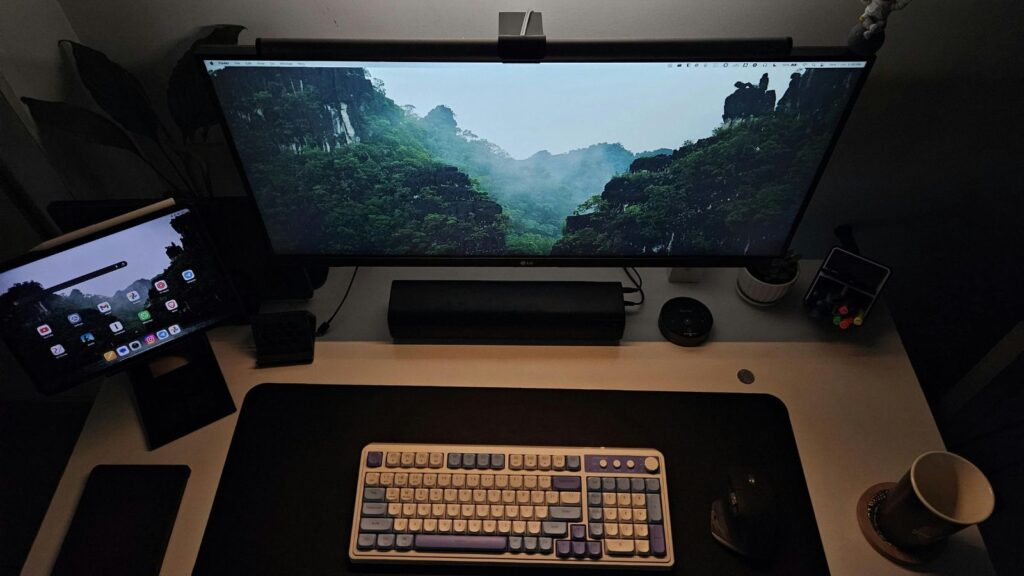
Necessary Tools to Going Fully Remote
In order to operate completely digitally, you’ll need to have the right tools in place. Without them, your remote business will fall apart quicker than a house of cards. Here’s what you need to know.
Communication is vital for remote businesses. You need video conferencing, instant messaging, and project management software to keep your team in sync.
Cloud storage is another must. Don’t get stuck in the stone age by being tied to a single computer or server. Make sure all of your important docs and files are easily accessible from anywhere.
Don’t forget about invoicing, payroll, and accounting software. You don’t need to worry about lost paperwork or scheduling in person meetings with your accountant.
And that brings me to my next point. If you need a legitimate business address for mail/packages/docs then you need to sign up for a virtual address service. These businesses allow you to use their address as your own for mailing purposes. They’ll forward your mail to you however you need them to.
All of these tools can be had for way less than what you’d normally spend on an office space rental. And that’s before you even consider utilities.
Receiving Business Mail Without an Office
Ah, the inevitable question of “what about mail?”
Government notices, contracts, client communication, packages. These things don’t disappear when you go digital. So what do you do with all of that mail when you don’t have an office?
Use a mail forwarding service to solve this problem.
As mentioned above, a good mail forwarding service allows you to use their address as your own. Mail/packages come to them first and are handled according to your instructions. You can get physical mail scanned and emailed to you, forwarded to your home address, or held at the P.O. box for pickup.
Here are a few benefits of using a mail forwarding service:
- Get a professional business address without renting office space
- Access your mail from any device with internet access
- Receive packages at home or office and have them forwarded as needed
- Keep your home address separate from business correspondences
Mail forwarding services are perfect for sole proprietors, fully remote businesses, or businesses that no longer require a physical location. They really are the missing piece of going completely digital.
Transitioning Smoothly
Going from working out of an office to a completely digital setup will take time. But with proper planning, your transition can be seamless.
Begin by assessing your current business operations. What can’t be done without a physical address? Chances are, very little.
Next, set up your digital tools. Get messaging, cloud storage, virtual address set up. Make sure everything is working how you want it to before you cancel that pesky office lease.
Train your employees. Working from home requires a different mindset than working in an office. Ensure that every team member understands what’s expected of them and that they have the right tools.
Do a trial run. Allow your team to work remotely while you still have the office. This is the best way to figure out what you’re missing before you go completely remote.
Then cut the cord. Better yet, burn it with fire. You’ll never look back!

Wrapping Things Up
Making the transition from leasing office space to going fully remote is one of the best decisions you can make for your business.
The money you save by cutting the cord is reason enough to do it. When you factor in increased accessibility to talent pools, employee satisfaction…going remote is a no brainer.
Here’s a quick recap:
- Working remotely is becoming the standard for most knowledge workers
- Businesses save thousands of dollars per employee by going remote
- Mail forwarding services allow you to receive business mail at home
- Having the right tools/business infrastructure is crucial for remote work
- Don’t forget to plan out your transition so you don’t miss anything
Businesses that embrace this new digital age will prosper. Those that fail to adapt will be left behind.
The decision to go digital isn’t a question now. How quickly can you do it?