
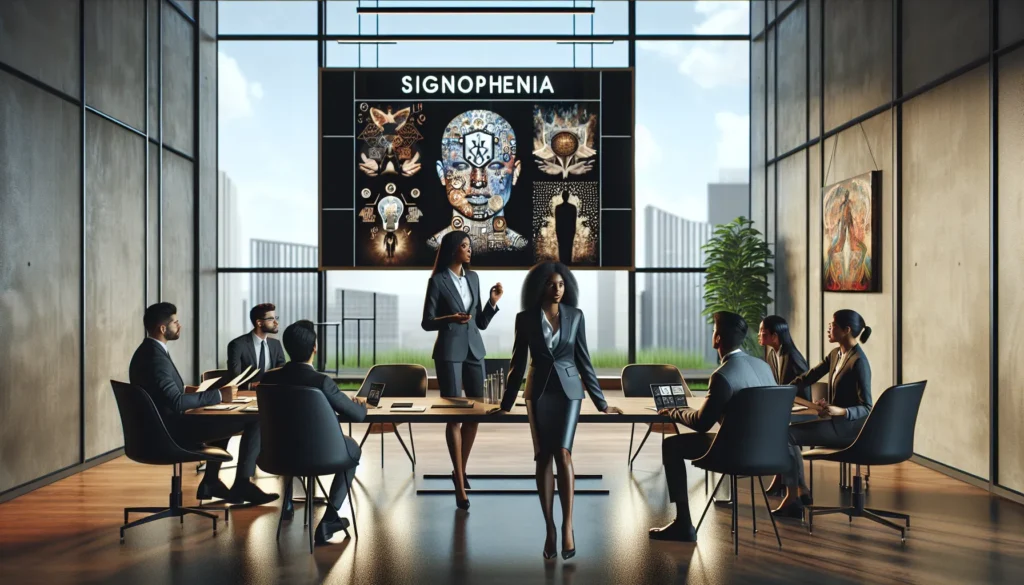
Imagine a world where everything we see and hear is suddenly imbued with meaning, deeper, almost cosmic significance. That’s where the fascinating concept of signophenia comes into play. It’s a term that evokes curiosity, and while it might sound like something straight out of a sci-fi novel, it’s rooted in real psychological and cultural phenomena. Join us as we peel back the layers and jump into the complexity of signophenia, exploring its history, characteristics, and relevance in our lives today. Don’t worry: we’ll keep it light, informative, and maybe even a bit funny along the way.
signophenia

To unpack signophenia, we first need to grasp its roots. This term combines sign and phenomenon, hinting at the way signs create meaning in our perceptions. We can trace the idea back to semiotics, a field studying signs and symbols as a significant part of our communication. Philosophers like Ferdinand de Saussure and Charles Sanders Peirce laid the groundwork for understanding how signs influence our thoughts and cultural narratives. In these historical contexts, we see how societies have always relied on signs, not merely as indicators, but as connectors to broader meanings.
Historical Context
Throughout history, signs have played pivotal roles in shaping beliefs, traditions, and even entire civilizations. Ancient cultures interpreted natural signs, like the position of the stars or the behaviors of animals, as omens or divine messages. Fast forward to the Renaissance, and we see a shift where human interpretation of signs began intertwining with individual experience and societal norms. This evolutionary dance between the individual and the collective is where the heart of signophenia truly lies.
Key Characteristics of Signophenia

So how do we identify signophenia in action? There are a couple of key characteristics to consider, each resonating on different levels within society and ourselves.
Cultural Implications
One significant aspect of signophenia is its cultural implications. Different cultures interpret signs distinctly, informed by their unique histories, beliefs, and contexts. For example, a white dove symbolizes peace in many Western cultures, whereas it represents a far different meaning in some Indigenous cultures. This diversity adds color to the world of signophenia. We can find striking examples of how cultural contexts shift the meaning of what we see every day, challenging us to consider how deeply these interpretations are ingrained in our social fabric.
Psychological Aspects
On a psychological level, signophenia encourages us to reflect on our assumptions. Often, we might see connections and patterns that resonate with our personal narratives, leading us to draw conclusions based on our experiences. This can be both enlightening and misleading, as our subconscious biases can color our perceptions. Think of it this way: Have you ever bought a new car and suddenly noticed that car everywhere? That’s signophenia at work, influencing our worldview in ways we might not even realize. It reminds us that our minds are wired to find meaning, sometimes even when there is none.
Signophenia in Modern Society
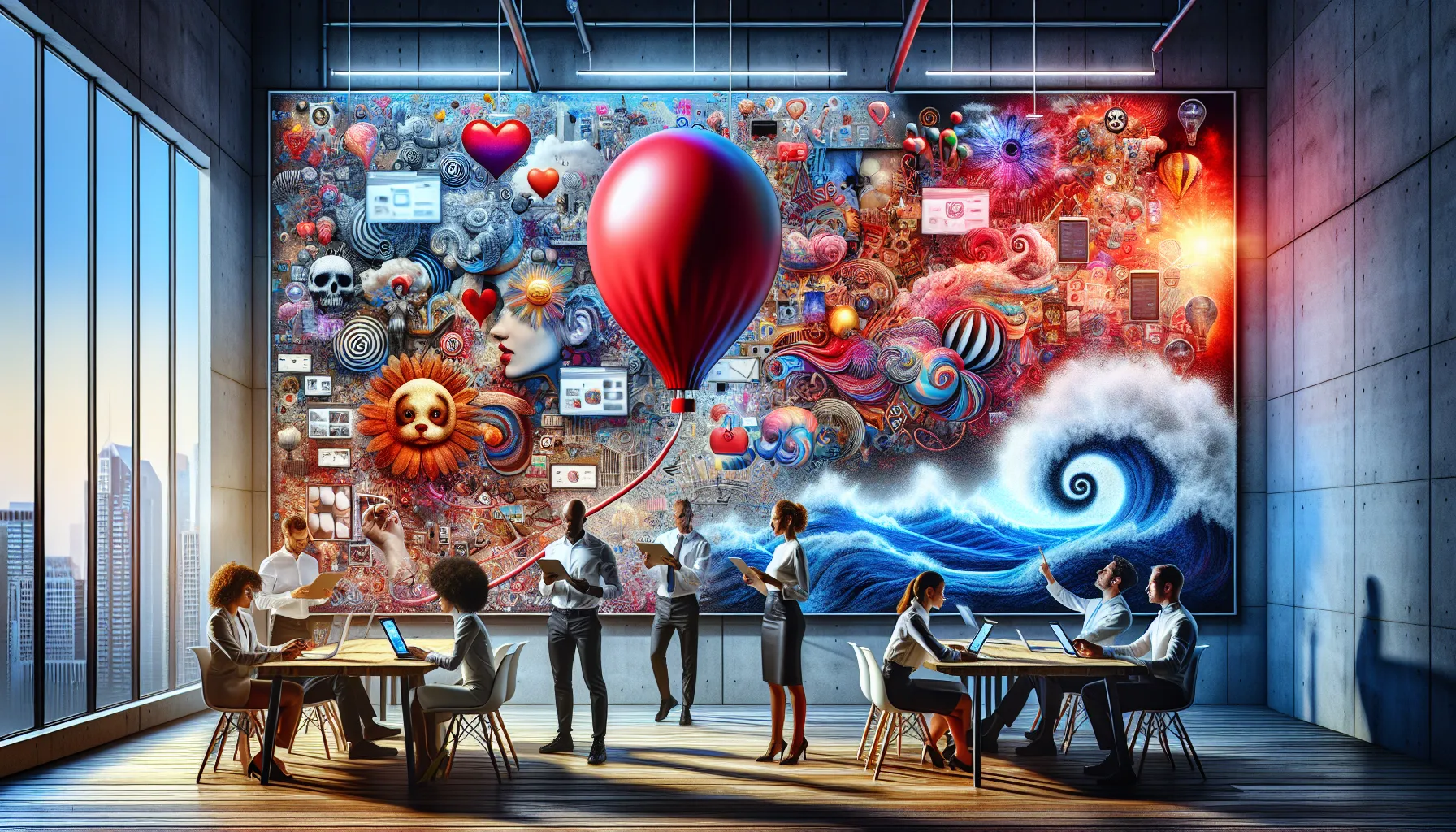
In today’s fast-paced world, signophenia manifests in ways we might overlook yet shapes our experiences in profound ways.
Examples in Media and Art
Consider modern media and art as fertile grounds for exploring signophenia. Filmmakers and artists use signs deliberately, layering meaning into their works. Think of classic films filled with symbols: a red balloon can signify hope, while crashing waves might evoke turmoil. Art installations often invite viewers to interpret signs anew, prompting us to re-evaluate the meanings we attach to everyday objects and experiences. We’ve all seen how advertising feeds into this as well, brands expertly exploit symbols to evoke emotions, persuading us to associate their products with certain lifestyles or ideals.
The Role of Technology
Technology further complicates our relationship with signs. We live in a digital age where information overwhelms us. Social media can amplify signophenia, as we curate our feeds to reflect our interests and affiliations. Algorithms show us content tailored to our preferences, creating an echo chamber of affirmations that can stretch our interpretation of signs until they seem larger than life. Whether it’s through memes, hashtags, or viral trends, technology not only dictates the signs we see but shapes how we perceive their significance in our lives.